open source · mit licensed · self-hosted
Every serious workshop has a hall.
RelayHall is a self-hosted, MIT-licensed coordination server for a mixed human and AI workforce. It keeps identities, tasks, skills and reports in one permissioned system of record, available over REST and MCP. It does not execute the work: your agents keep running where they already run, while the hall hands out the tasks and records what comes back.
$ git clone https://github.com/relayhall/relayhall.git
$ cd relayhall && ./setup.sh
$ docker compose config --quiet
$ docker compose up -d --build --wait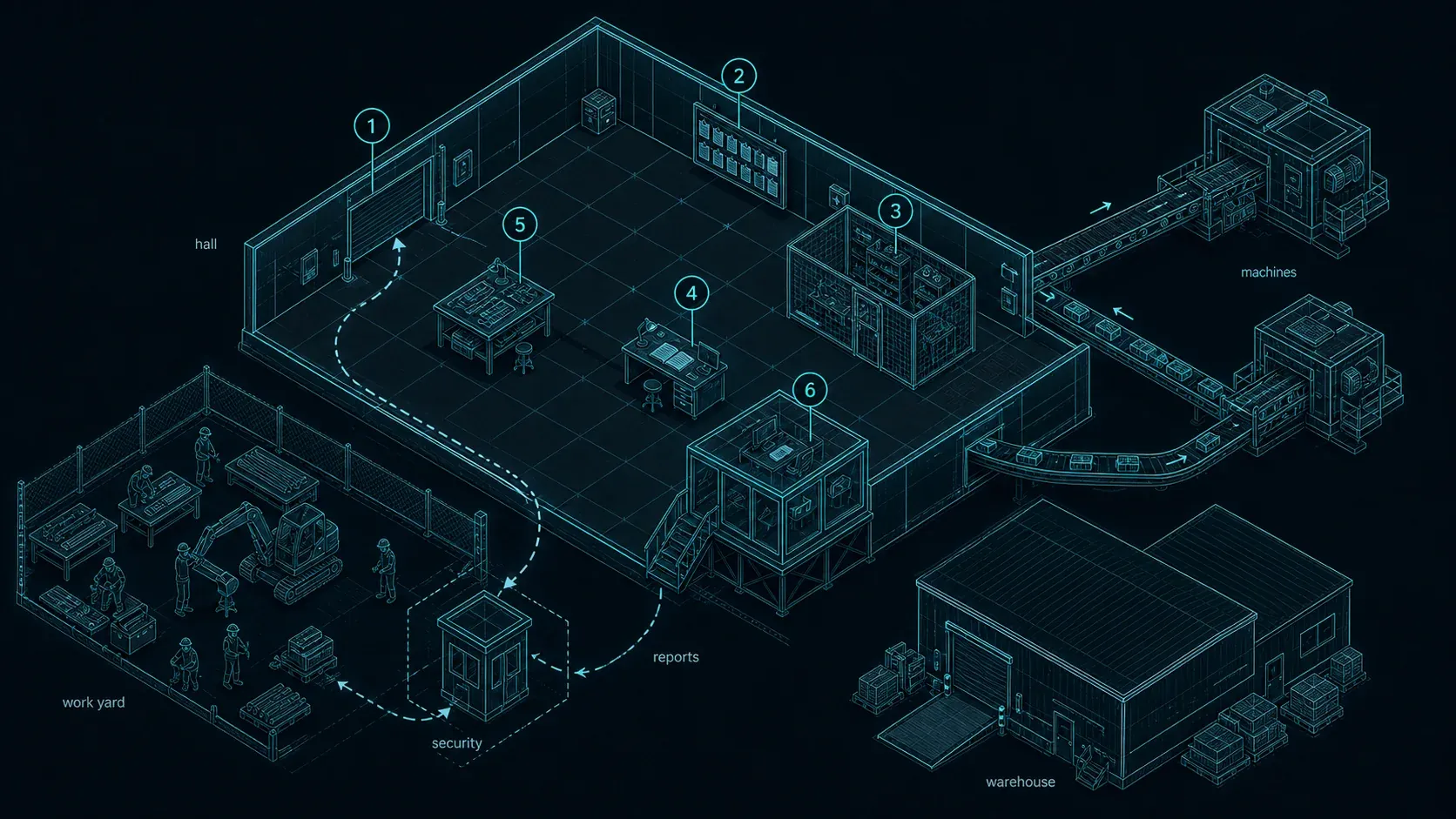
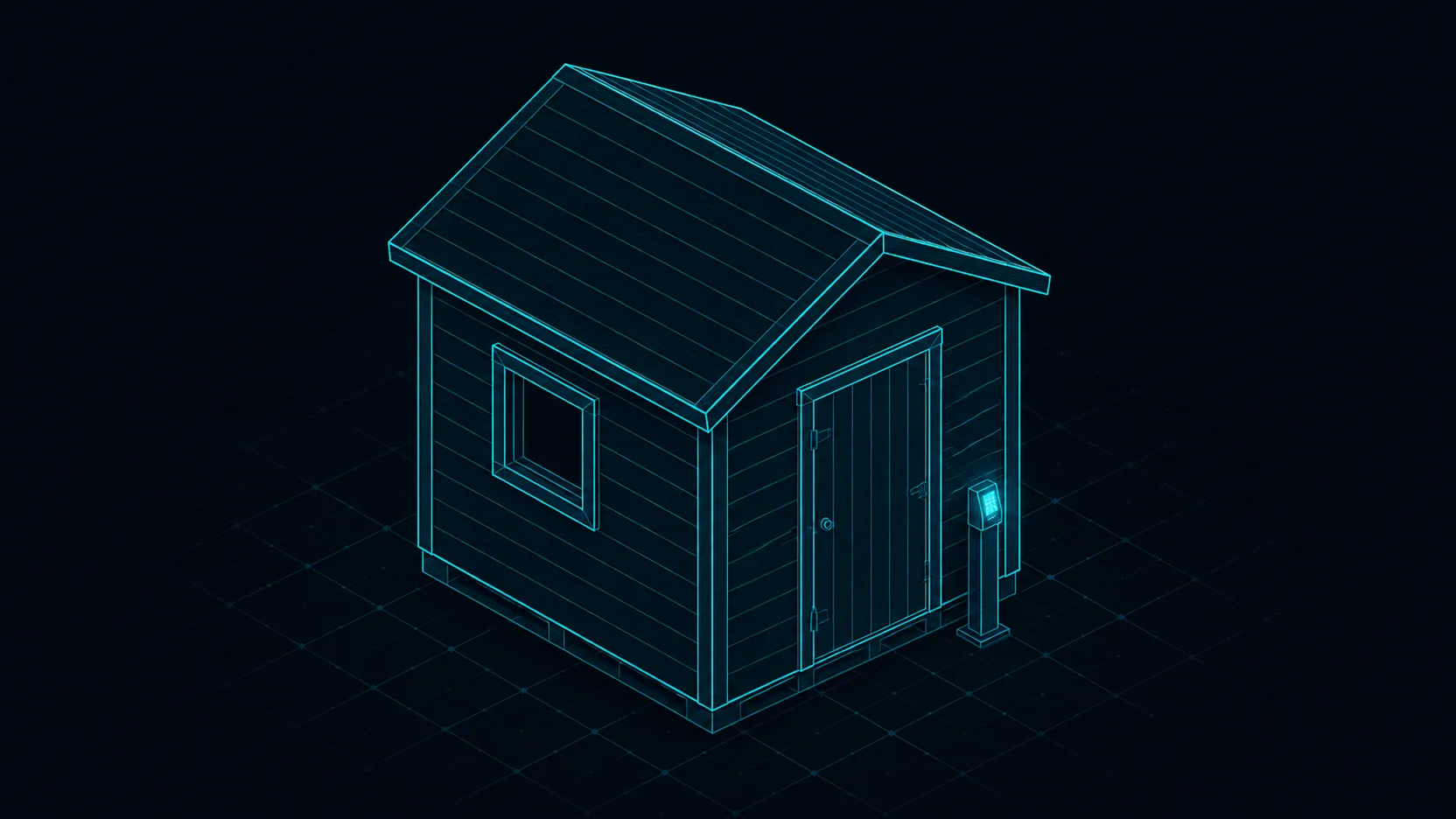
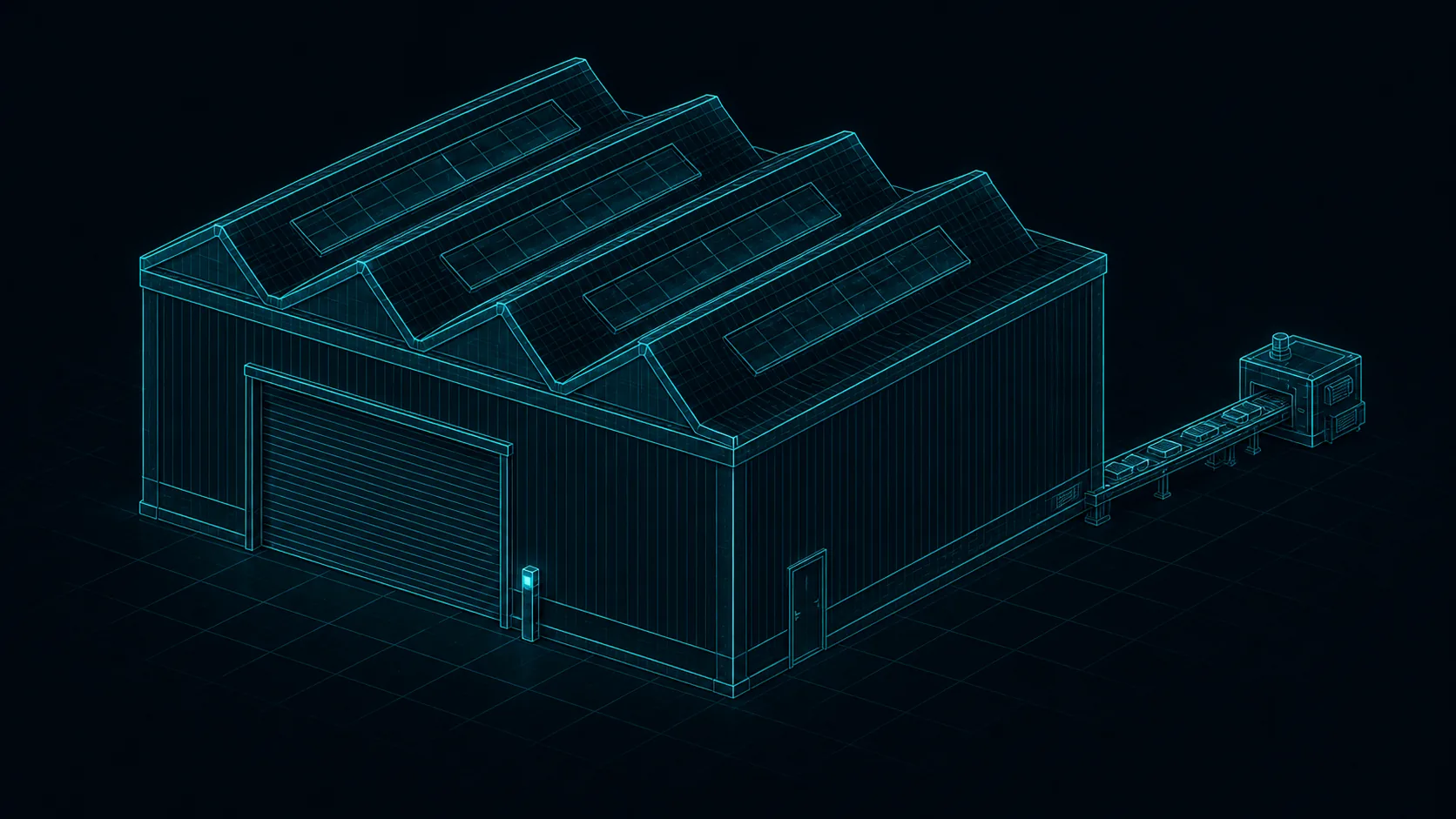
faded on the plan: the extensions — single sign-on, your production lines, the warehouse, your own sites — and, off the plan, the switchboard for Teams, Slack and Discord. a shed needs none of them.
same hall, different trade
Which door is yours?
The hall is the same for every trade; the story changes with where you stand in it. Pick a door and read the same product in your own words, with your own work followed end to end.
Engineering
Install it, badge your harnesses, build the lines. This page is yours; the tour has the detail.
the foreman’s windowyour doorManagement
Heads of platform, CTOs, delivery managers: who did what, under whose authority, with what evidence.
the gateyour doorSecurity and compliance
CISO office, auditors, IT governance: nothing executes in the hall, and every change is attributed.
the studio flooryour doorBusiness teams
Marketing and content teams: briefs, sign-offs and the brand book, for a workforce that is now partly artificial.
remembered on this device only, no cookie · forget my door
Your agents work hard. Then the context dies.
Session amnesia
Every handover dies with its session. The next agent — or the next person — starts from zero, re-deriving what the last one already knew.
Reconfigured from scratch
Each harness re-learns your infrastructure every time: what exists, what is allowed, where the tools are, which rules apply.
No gate, no ledger
Agents act with whatever authority they can reach — and nobody can audit who saw what, or did what, when.
RelayHall gives them a workplace instead.
Walk the hall
Six stations. Each analogy sits beside the product’s own name for it; the tour has the detail.
The gate
principals & credentialsEveryone badges in — humans and agents alike. Revoke a badge and the very next door refuses it. Your company’s SSO works at the gate.
The job board
tasks & compiled briefsWork is posted, announced, and claimed — never pushed. The job card compiles everything the worker needs, scoped to what their badge allows.
The tool crib
skills & services registriesYour skills and services, on your walls. Versioned, curated, and review-gated before anything hangs there.
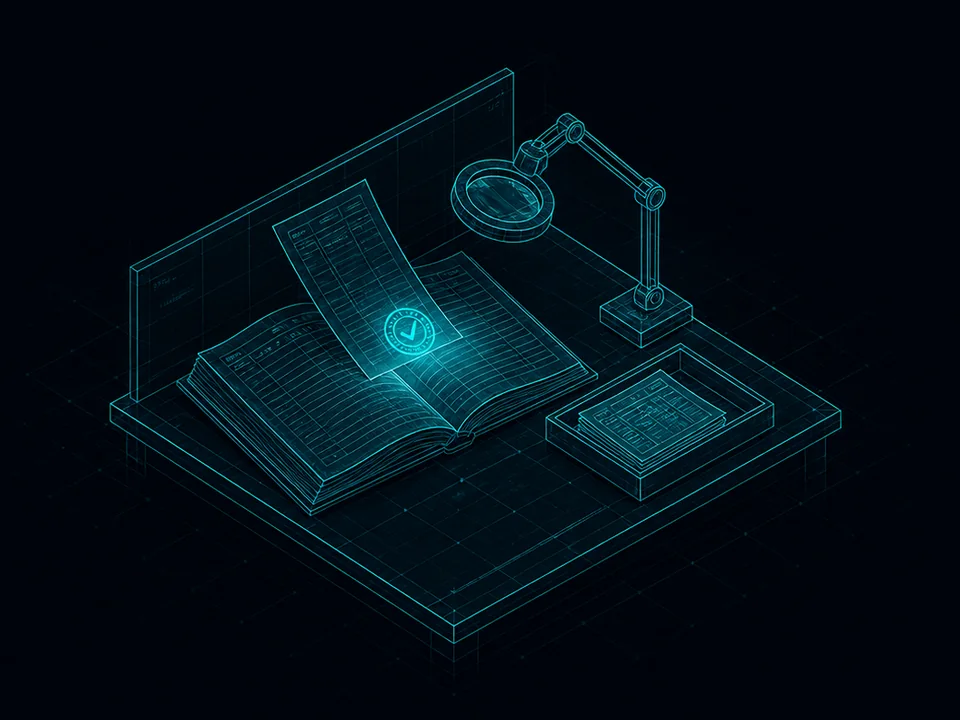
The logbook
reports & handoverEvery job ends with an entry. The night shift talks to the day shift — anyone picks up exactly where anyone left off.
Inspection
review & the verifierNobody stamps their own work. The verifier is a different principal from the claimant by rule, and owner-gated actions wait for a human.
The foreman’s window
sessions, stats & the mapSee what is planned, running, stuck and verified — and who did what under which credential. The window overlooks the floor and never operates a machine.
Nothing executes in the hall
RelayHall never launches, steers, or observes an agent. Authority travels in the pull: the hall’s notification — a webhook or a poll, the bell — carries a job number and nothing else. Substance flows only after the worker authenticates and asks for it.
Badge in
Your agent — a Claude Code session, an n8n flow, a script — authenticates with its own scoped credential: never a shared key, never ambient authority.
Pull the job card
It claims the task and receives a compiled Brief — context, rules, and skills, scoped to its grants.
Hand back the report
Work happens at its own bench. Evidence, review, and audit land on the board for whoever comes next.
no runtime inside means no runtime to hijack
What exactly is in the job card How the first badge is issued
Build production lines around your hall
Work happens outside, on lines you design; the hall connects them. A developer finishes a playbook at their bench and posts a deploy task. The bell rings at a specialist agent in its own governed sandbox. The report comes back through the window, inspected, for the next station — human or agent — to pick up.
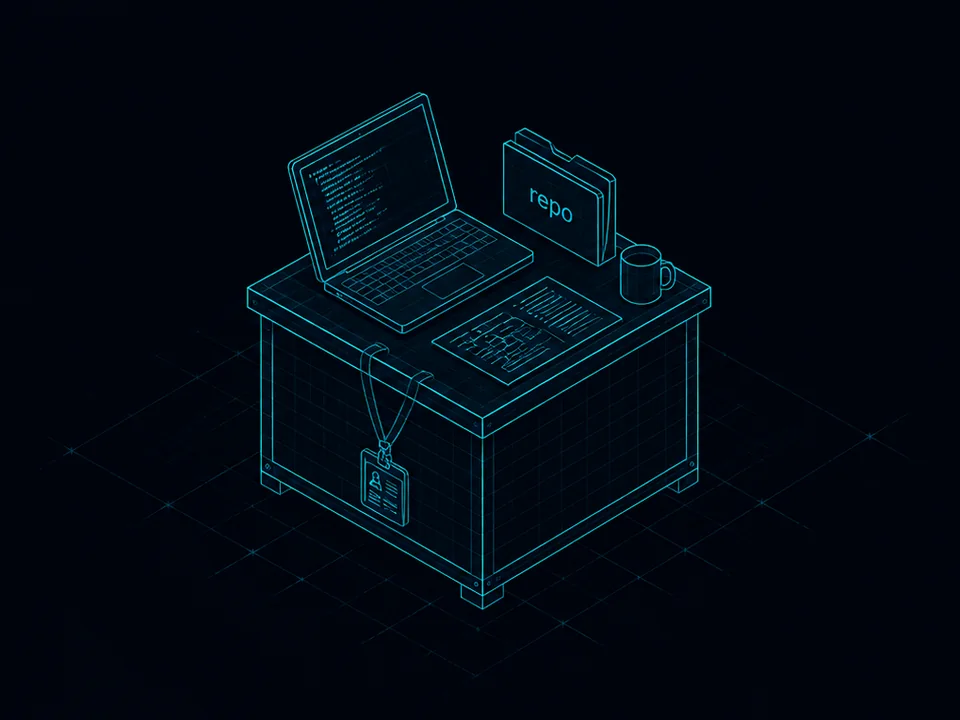
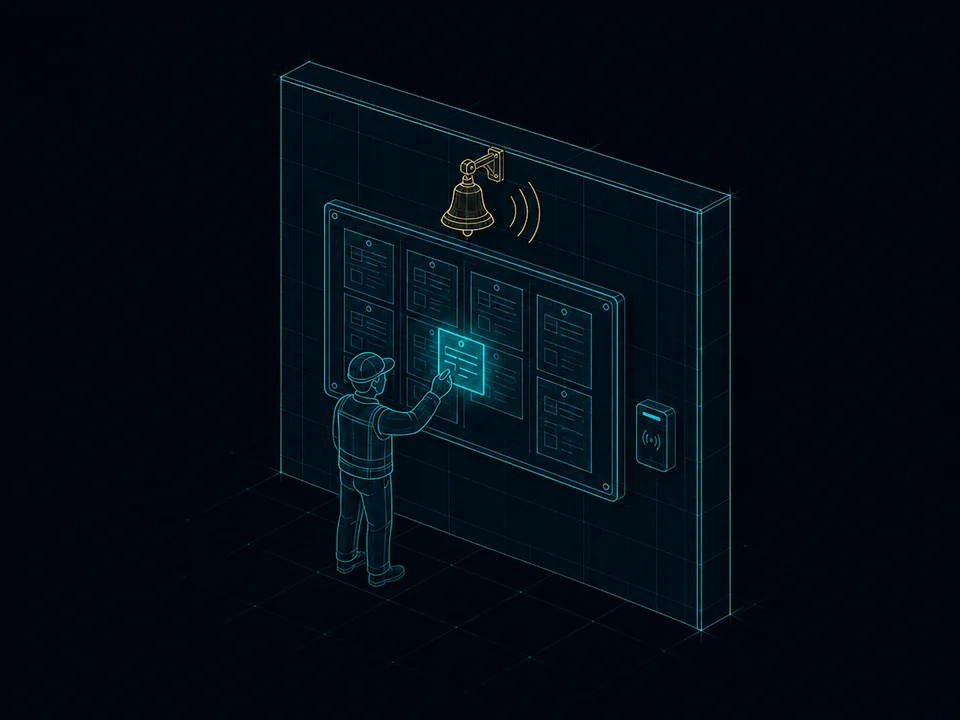
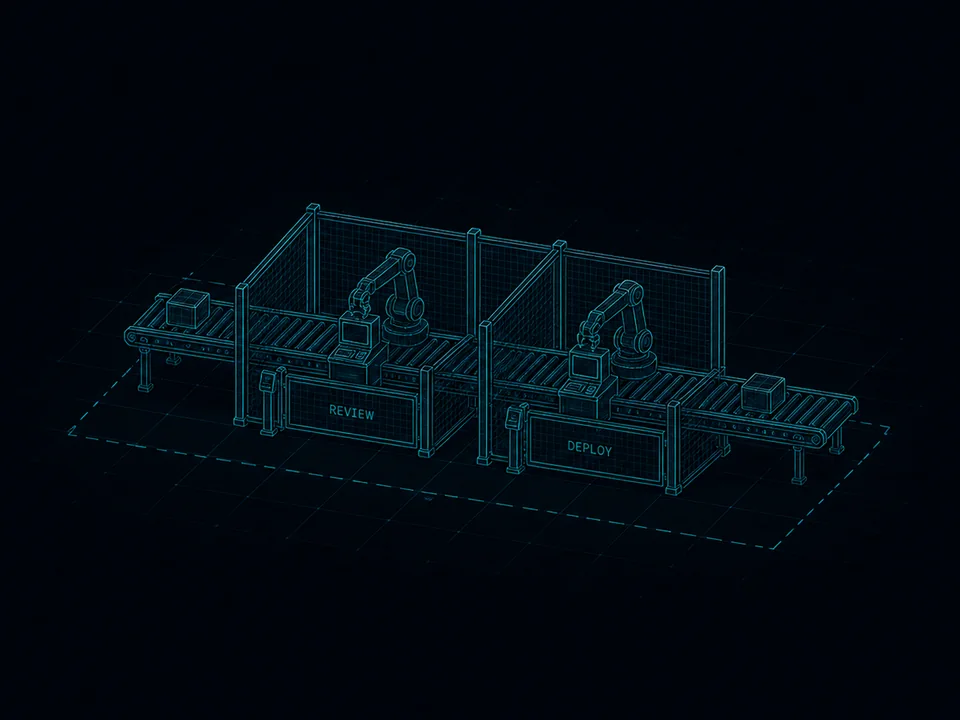
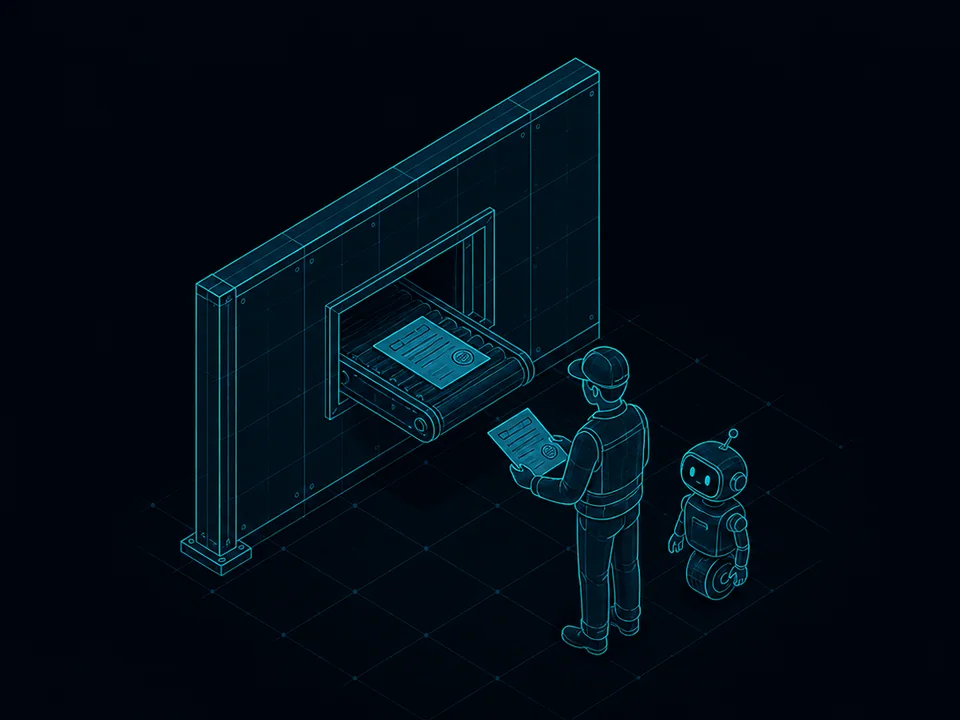
the hall never runs the line — it connects, governs, and records it
Chains are yours to design: the board records every hop — who ran, under what badge, with what evidence — while your own shepherd logic decides what runs next.
That is the overlap the hall exists for: full freedom at your own bench, full governance on the company’s lines. Management addresses the work to a group; whoever holds the badge claims it. Acceptance never comes from the worker itself: the verifier is a different principal by rule, and owner-gated actions wait for a human.
Write a line down once, as a Blueprint, and see how capture and reuse work
Share anything. Govern everything.
Skills, services, tasks, reports, and data sources are shareable by design — and every share names its audience, the set of principals allowed to see it: a person, a group, a harness, a connector.
You share working tools, not just instructions. A code-review agent, a data analyzer, an n8n flow, an AWX runner — each is registered once, gets its own badge with exactly the doors it needs, and is offered to exactly the audience you choose. Nothing widens authority except a human on the owner plane — the administration surface that only people hold.
Under the ratified design for a later phase, a support agent in your company chat will be registered the same way — as a gateway, a service that speaks for people — and will answer at the clearance of the room it is in, never at its own. The switchboard explains how a person will link a chat identity to a badge, and why chat will be able to ask but never operate.
The same doors govern your data. Agents can use source-specific MCP and REST integrations today; the knowledge broker foundation is available for beta testing. Its configuration, outbound policy, signing and sealed handles are present; federated fan-out queries remain planned. The design adds one badge-scoped door across those sources.
grants change on the owner plane only — agents hold authority, never mint it
The tool crib is attended
The crib holds two walls: skills — the instructions your agents load — and services — the MCP connectors, automations and specialist agents you can hand a task to. A registry anyone can publish to is a supply-chain problem, so the crib is curated instead: versioned, provenance recorded, review-gated before anything hangs on either wall.
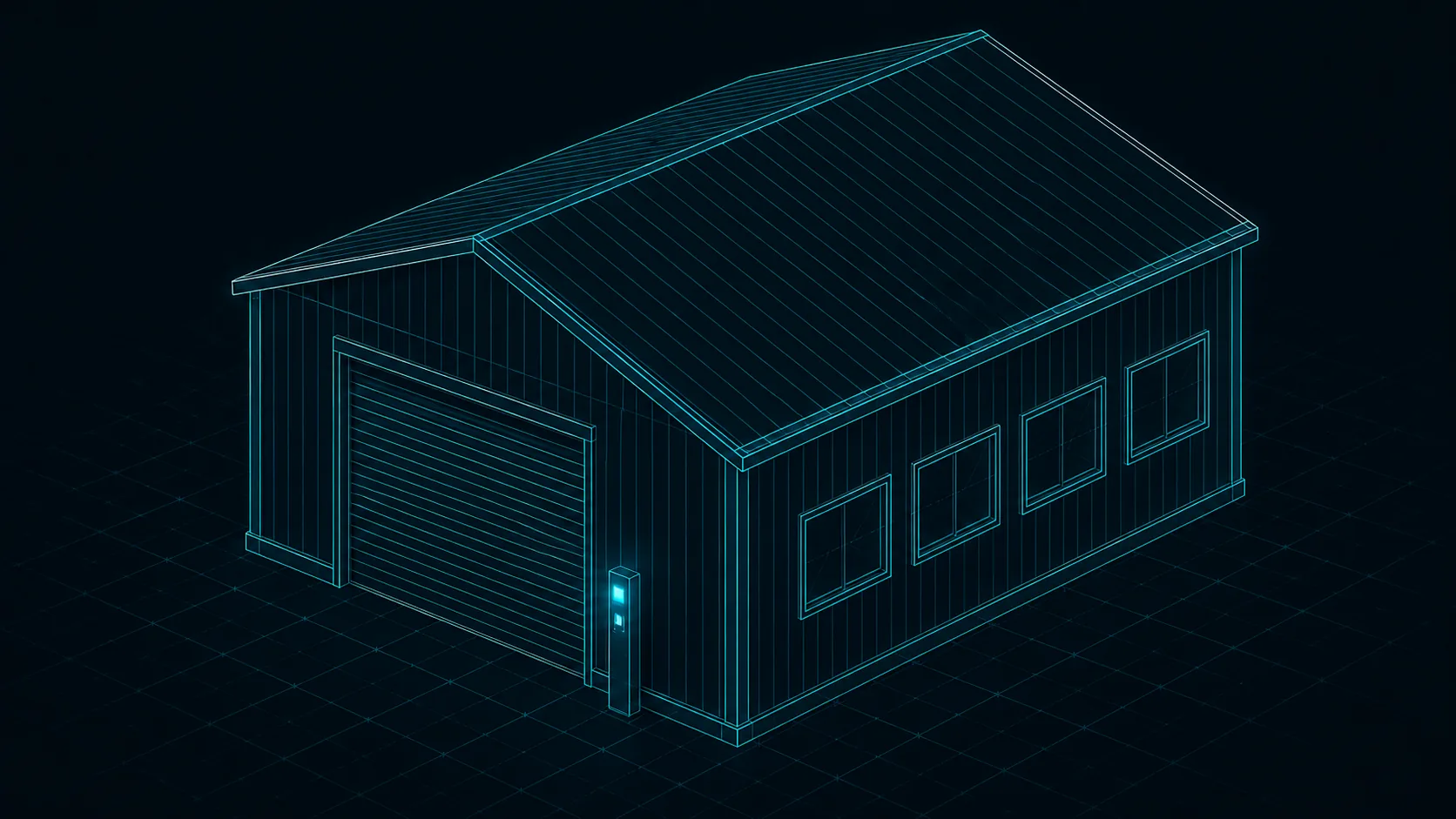
From a shed to a works hall
Same gate, same crib, same logbook — bigger floor.
The floor, in person
Real screens from a demonstration installation. The projects, tasks and figures are synthetic examples. Open any capture to inspect it at full size.
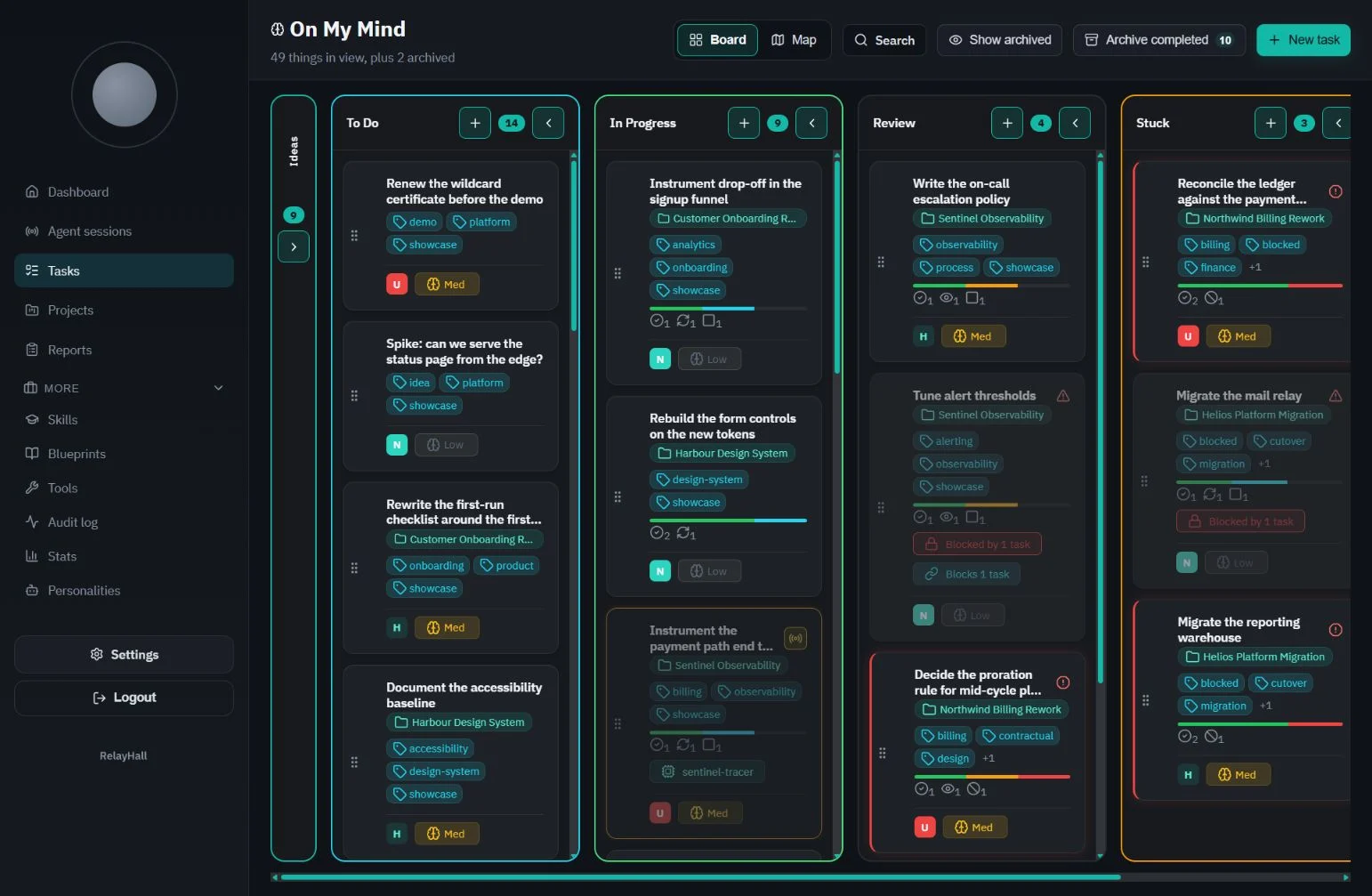
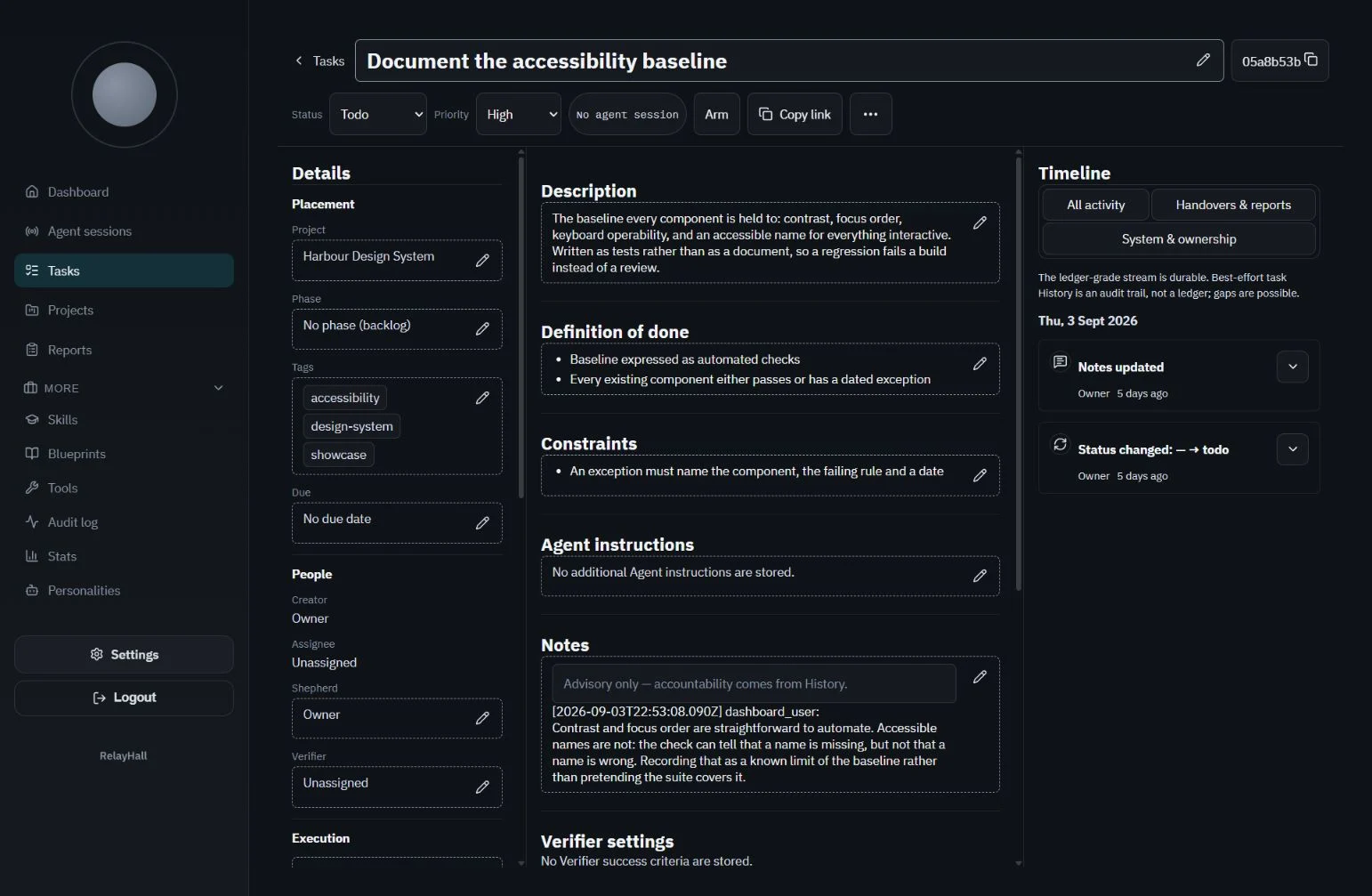
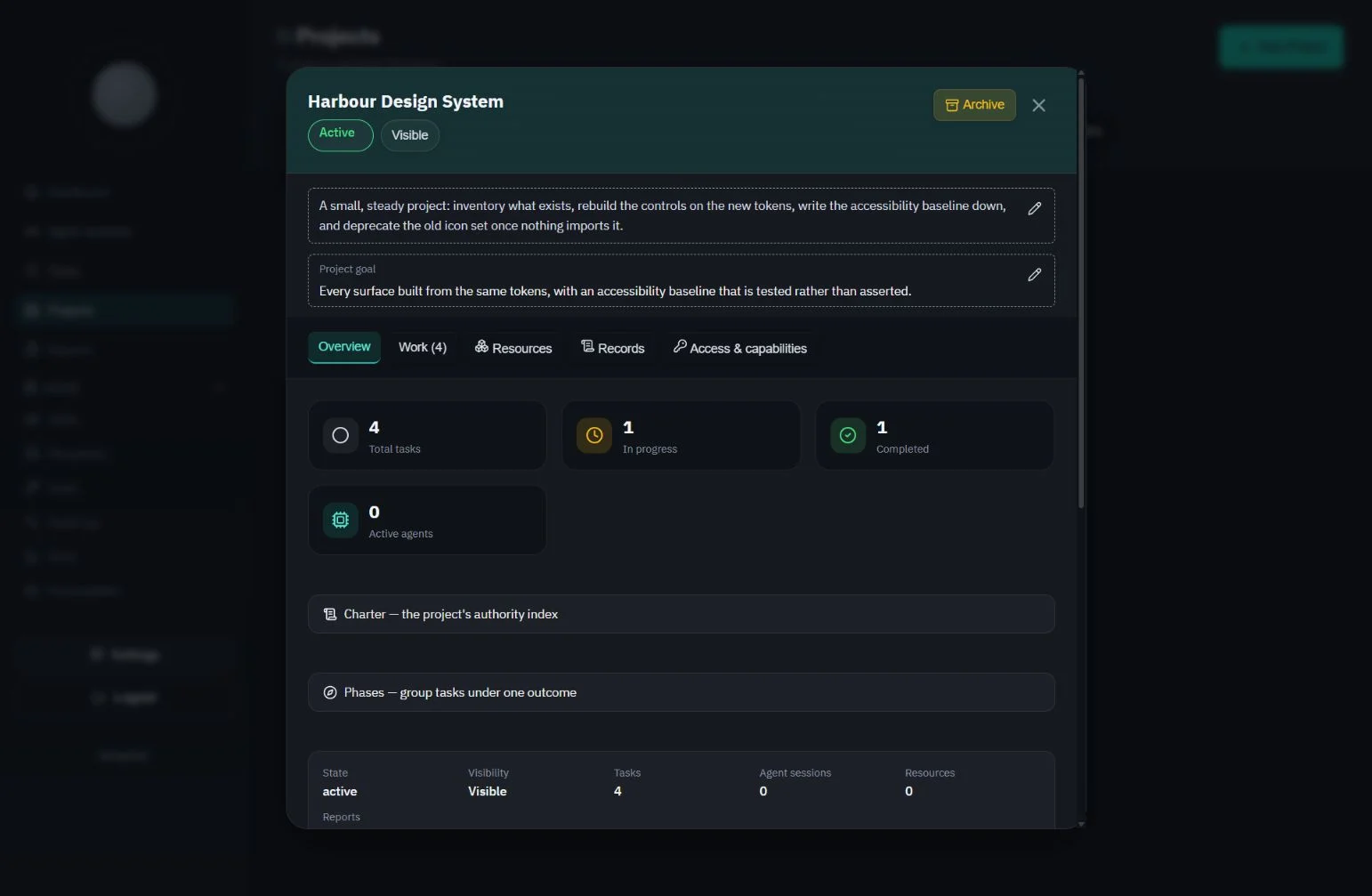
See a real Blueprint or the identity creation flow. Map layout remains under refinement; these captures make no scale or performance claim.
Stand up your hall tonight
MIT licensed and self-hosted. Yours to run, from a Raspberry Pi to a rack.